

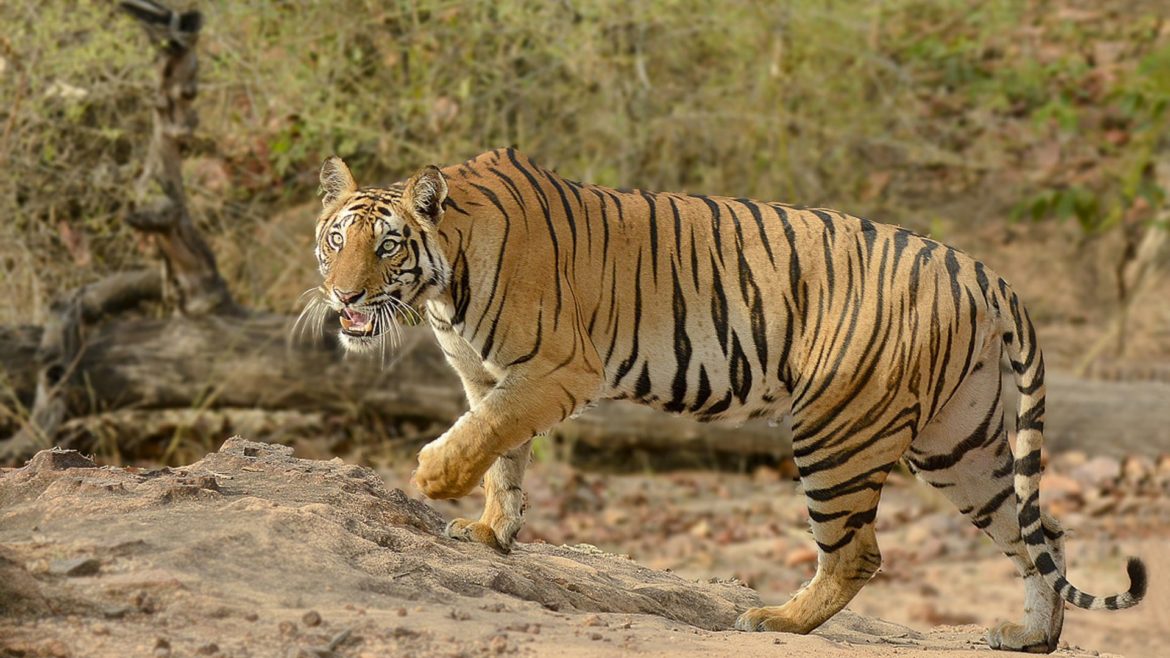
Wildlife Photography means documenting wildlife in natural habitat. It is most Challenging form of Photography. It requires lot of technical skills including correct exposure. One should be capable of understanding Animals & Birds behavior & predict their action. At times you require staking skills & have to hide/blind yourself for concealment.
For Wildlife Photography, you need special equipment’s such as macro lenses for Insects, long focal length lenses for Birds & underwater camera for Marine Photography. For best results you have to be in the right place at the right time.
- Patience & Perseverance in Wildlife Photography is must & key essential. You must “Get out early & Get out Late” for Wildlife Photography
- You must do your homework before you head out for Wildlife Photography – get yourself educated about the area, critical points & Safety elements. Plan & Research about your shoot
- Seek special Permits or Permission if required – Work out on Parking of your Vehicle – Look at Time Constraints – Look at Weather Conditions – Timing for Sunrise & Sunset – Any landmark or typical Structure to follow on route
- Pack your gear to the extent required. Don’t under pack or over pack. You must enjoy Photography rather than get troubled or burdened – Keep a Good Bag with you to store your gears – Must carry your basic essentials i.e. Batteries/Data Cards/Filters/Lenses Hoods – Also take a Wet & Snow covers with you to protect your gears from rough weather conditions
- Don’t disturb Animals/Birds in their natural space. Don’t go too near to nests/egg shells or disrupt their natural behavior. Please note you are s Guest in their space. Give respect & space to Animals/Birds. Stay on trails & marked areas
- A Good pair of hiking shoes is must for outing in rough areas & to be comfortable for walking long distances
- Capture images on Raw Format to get maximum for the post processing at Editing table
- Give importance to light. Early morning hours or Late evening hours are the best for Wildlife Photography
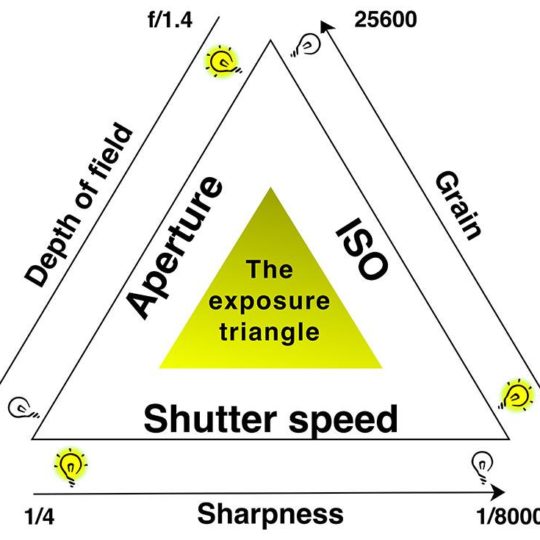
- Use the lowest possible/practical ISO. Higher ISO will get you noisy image ISO of 100 to 200 is considered to be the best, but not beyond 400
- Use Aperture priority mode, adjust ISO & use exposure to compensate & fine tune
- Drop to eye level for best Wildlife Photography – Shoot images at eye level not below down or up in the sky
- Birds & Animals are always on the move. Practice to Work around good faster shutter speed to capture action i.e. 1/500 to 1/2000 s. Great action normally happens between 5-20 seconds time span. If you have missed it you have missed it for all time.
- For Birds Photography you can use Fast Frame Release Rate/Continuous Frame Advance for sharper images of subject – use burst of 5 images. You will find that the middle frame gives you the best results.
- Carry you Tripod/Monopod for sturdiness – Get the lightweight Tripod for ease of use. You can use your shoulder or take support of tree to take images. In case of Handheld photography use the safe shutter speed to avoid blur/hazy images
- Look out for Golden moments. You might have to spend good amount of time in Natural Habitat. Take time to create interesting compositions
- Eye contact of the subject is very important. Give life to the image. You may follow certain rules of photography but you should know the art of breaking rules to get the best – Move out of program mode
- You can use Panning technique with your Animals & Birds. Move in same direction & try to focus on your subject
- Backgrounds are equally important as important is your subject. However you can Isolate the subject from the background if you so desire, for better results
- Follow the natural light don’t use/rely on artificial light/flash in Wildlife Photography. Use soft box /filters in case light is absolutely necessary
- Shoot wider & Shoot Closer – you can use 400mm/600mm plus lenses. Use Wide Angle lenses – Optional Tele converters – Make use of lens hood
- The more, the merrier – One is Company & Two is often a Crowd
- Never get too close to Birds/Animals. Approach slowly and take a safe shot from a distance. Never ever follow the wild animals – try to be ahead of subject Let them come to you
- Get Closer, look distracted – ignore subject, don’t pay much attention
- Out smart the windy situation –be aware of vibrations & use Image Stabilization Mode – Avoid flares or Sun glare into your lens
- Make your buffer last longer for better images – use Fast Data Card – Move from 14bit to 12 bit RAW – you can use JPEG mode to improve buffer
- Use AF points for better Composition – focus at view finder to concentrate – use center point AF for tough to focus situations
- Think outside the box – push yourself to capture the best images – question self – “How I can do it better” Stand out.
- Capture behavior of Animals/Birds – Get Creative – Have fun
- For Practice start with visiting ZOO /Local Parks /Gardens for Birds/Animals Photography
- Be there, Be Safe, Enjoy every moment & Enjoy Wildlife Photography
Recent Comments