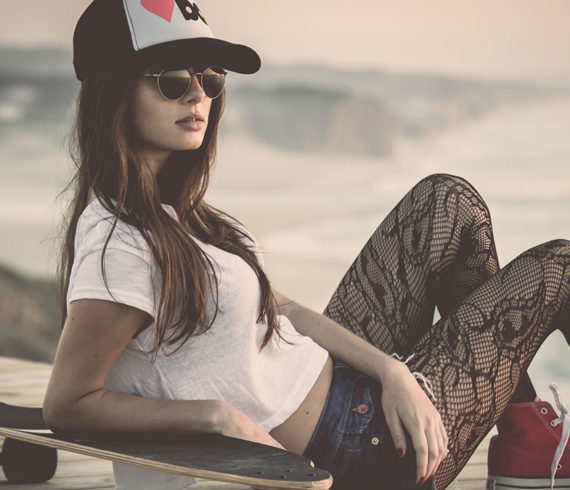
Fashion photography is a genre of photography, which is devoted to displaying clothes & other fashion items. It is mainly for Advertisements or Fashion Magazines. Fashion Photography has developed its own aesthetic in which clothes & fashion enhances the presence of exotic location & accessories For Fashion Photography, you must understand the Fashion Fashion Photography is a challenging discipline that combines the normal elements of photography – exposure, composition & lighting with the life and energy of the model & their clothing Conceptualize & Create an interesting composition & than reinforce it. You must define your work style statement. Understanding of self is important before understanding the client Identify your potential targets/clients to work with, who resonate with your work styling. Do some research about your client & then approach Plan & prepare the location, props & clothes ahead of time & for a truly effective shoot, you must state & communicate the agenda, objective & the posing direction. Fashion photography should convey an essence of confidence, self-assurance & authority. Fashion photography is all about clothes & beauty, so show all the basic elements of the scene & the model to reflect the best compliment In Fashion Photography, use make-up, […]
Read More
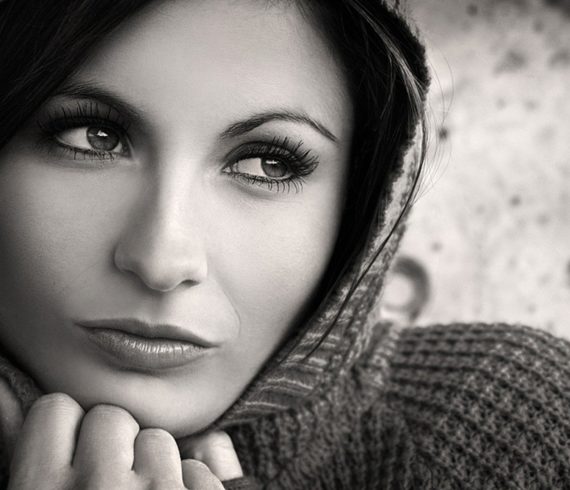
Portrait Photography is photography of a Person or Group of People that captures the Personality of a subject by using effective lighting, backdrops, and poses. A Portrait Picture might be artistic, or it might be clinical, as part of study. In Great Portraits you need to focus at the Composition, the Setting, the Poses, the Background, the Light, the Clothing, the Colour & Framing. Must Create a Mystery Set up & Plan the Shoot location before introducing your subject to it Use Wide-angle lens for Portrait Photography or use medium telephoto lens such as 70-200 mm f2.8 is one of the best for creating stunning Portraits. You can also use 50 mm f/1.8 prime lens as well For Portraits it is best to set a wide aperture around f/1.4 – f/5.6 to capture a shallow depth of field,, so that background behind your subject is nicely blurred, making the subject stand out Make sure that your shutter speed is higher than your effective focal length i.e. if you are using 200 mm than use 1/250th shutter speed or faster. For 18 mm focal length you may use 1/20th shutter speed Use good ISO say around ISO 100 – 400 for […]
Read More
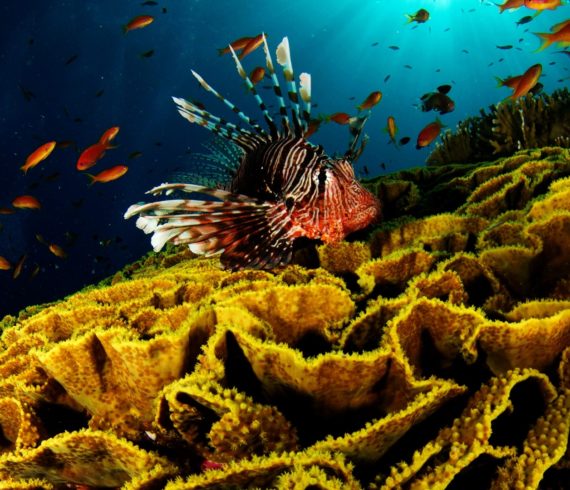
Underwater Photography is the process of taking photographs while Underwater. It is usually done while scuba diving, but can be done while diving on surface supply, snorkeling, swimming, from a submersible or remotely operated underwater vehicle or from automated cameras lowered from the surface. It is quite physically demanding but success outing are high. Get your diving skills down before your start Underwater Photography Plan your shoot & look for Cleaner water for best results Safety comes first. You must know your dive zone, talk to people who have some experience about selected zone. Shoot in Safe Waters Get close to your subject preferably within 12 inches. Water reduces Colour, Contrast & Sharpness. Make sure you don’t touch or harm marine objects Make sure to stay near the Surface to seek help/support if needed Start with simple gears. Set your camera to the highest resolution & the lowest ISO to start with. Use compact camera /Go Pro with waterproof housing Use manual or aperture priority mode & give focus priority to release the shutter over focusing Use Wide Angle & Macro lens for Underwater Photography. You don’t have choice to change lenses inside the water so make sure to use […]
Read More
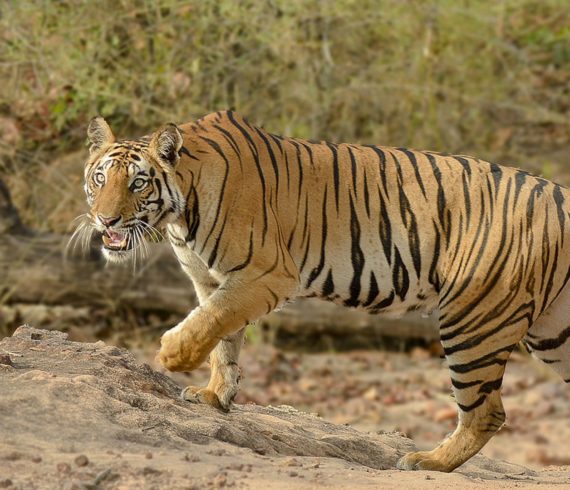
Wildlife Photography means documenting wildlife in natural habitat. It is most Challenging form of Photography. It requires lot of technical skills including correct exposure. One should be capable of understanding Animals & Birds behavior & predict their action. At times you require staking skills & have to hide/blind yourself for concealment. For Wildlife Photography, you need special equipment’s such as macro lenses for Insects, long focal length lenses for Birds & underwater camera for Marine Photography. For best results you have to be in the right place at the right time. Patience & Perseverance in Wildlife Photography is must & key essential. You must “Get out early & Get out Late” for Wildlife Photography You must do your homework before you head out for Wildlife Photography – get yourself educated about the area, critical points & Safety elements. Plan & Research about your shoot Seek special Permits or Permission if required – Work out on Parking of your Vehicle – Look at Time Constraints – Look at Weather Conditions – Timing for Sunrise & Sunset – Any landmark or typical Structure to follow on route Pack your gear to the extent required. Don’t under pack or over pack. You must […]
Read More
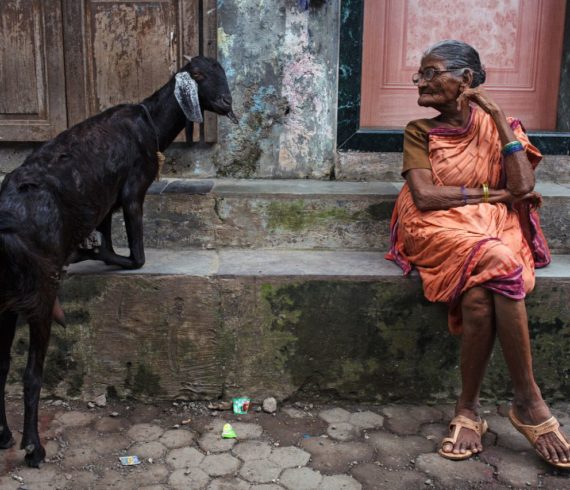
Street Photography is the art of capturing life, culture, humanity & soul in a candid manner. The essence of street photography is about documenting everyday life & society on the street. The goal is to capture emotion, humanity and depict a personal character. It is one of the most difficult form of photography, because it is unplanned. The contents are out there but it is your job to find it. Street Photography is “Going on a walk with Camera“ Street photography is about experiencing life up close & personal Make use of compact (Point & Shoot) camera, IPhone (or any good Camera mobile phone), which is less confronting than DSLR. The advantage is being smaller, lightweight & discreet. Less equipment is more… & quick to react. At best you can use wide angle prime Take your camera everywhere as Street Photography is spontaneous and waits for no one – try to get behind the scene Use AV (Aperture – Priority mode) & select f-stop & ISO manually. For effective setting, Use ISO between 200-400 in a sunny day & use f/8 or f/16 (aperture) not wide open. The shutter speed can be 1/200th a second 35mm focal length is ideal […]
Read More
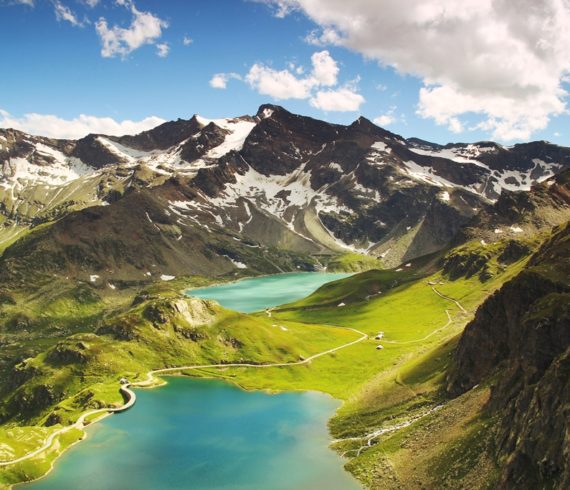
Landscape is one of the easiest of all photographic subjects. Basically you need to do is find a nice/compelling view in the right lighting and snap away. Look a little closer at landscape images that hold you attention. Though, it requires mastery, patience and certain frame of mind to capture imagery. Start with a vision for what you want to achieve, keep yourself motivated Quality is better than Quantity Plan the location, leading lines, good foreground, lighting, angle of view timing for the shoot etc. Shooting closer to sunrise & sunset can help you to get better results Use Canon 5D Mark III or Canon 7D for the shoot to get best results or any other equivalent camera My go to lens is Canon 16-35 f /2.8 L (good for day light) or EF 24 f/1.4L (good for late evening/night time) Use ISO of 100 to 200 for best results Use slower shutter speed 1/15 of second to 1/125 of second Use Wide Angle/Tele Photo lenses with small aperture opening f11 to f 22 Use Photographic Filters to bring contrast in your pic, create a visual balance Use a remote cable release or the self timer to increase […]
Read More
Food photography is one of most challenging photography, you have to construct picture until you reach the perfect balance of reality & art. You need to create a story line. You are the chef, stylist & the photographer at the same time… Take Pictures in Natural Light Lighting is every things, use only one light source Avoid use of Flash lights/Artificial light or lamps Move out of kitchen area & rely on places having the best light Take control of shadows Create a frame with composition, space & angles – Get Closer Take pictures with different/multiple angles, go with range of 25 to 75 degree Don’t add too many things around, keep it natural, simple & original Use simple props to make it interesting, use line & layers Show a comparison – before & after, to make it lively Take some picture when the cooking is in process, half cooked food is as interesting as cooked food Add human angle/emotions by showing people tasting the food. Stimulate as many senses as possible Keep the utensil clean/hygiene & arrange them neatly Use anti-glare spray on your cutlery else use polarizing filter Marinate food with olive oil for little shining […]
Read More
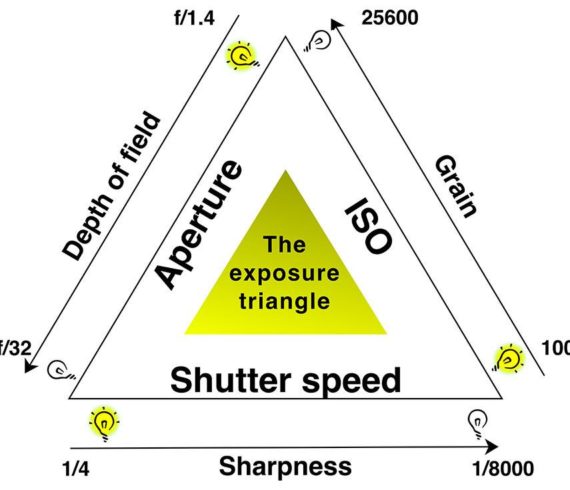
It is important to understand this triangle to solve all the issues relating to photography. The Exposure Triangle sounds like the name of a complex spy novel, but in reality this is the term used for the three fundamental elements of exposure: aperture, shutter speed and ISO. Creating a harmonious exposure using the aperture, shutter speed and ISO is a juggling act. As soon as you make a decision about one element, you’ll need to compromise with another. The trick to balancing The Exposure Triangle is to get all three elements working together so you get the results you want, and not what the camera tells you can have. Because of that, it’s really worth putting in the groundwork and getting to grips with the basics of shutter speed (how long the camera’s sensor is exposed to the light), what an aperture is (how much light the lens lets in, which also affects depth of field) and ISO ( the sensitivity level of the sensor ). Once you know how to do this, there’s nothing you can’t do. Common mistakes at every shutter speed (and the best settings you should use) Annoying problems at common aperture settings (and how to […]
Read More
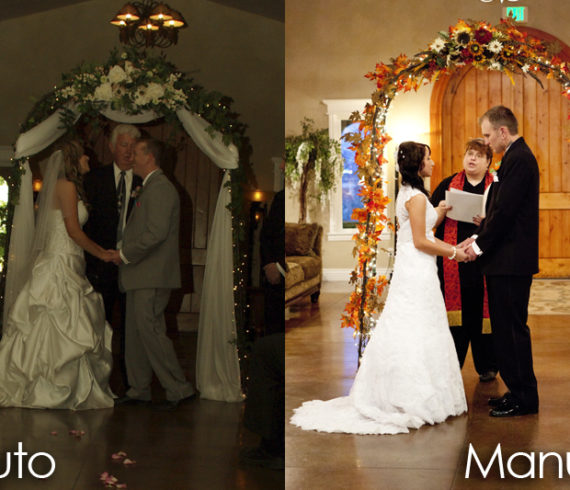
Switch off auto mode and take better pictures, which looks more original. It is all about taking picture that are creative & unique to you; Photos that makes your life look awesome unlike other beginners. Stick to photography essential, so that you can relax and enjoy taking authentic pictures right away. When you first buy a camera it’s great to just shoot away, taking advantage of all the sophisticated automatic features of ‘full auto’ mode. Real photographers are able to take better photos because they understand what their cameras’ auto mode is doing, and when to Beginners in photography will let their camera’s Auto mode handle all of the complexities of aperture, shutter speed, white balance and so on. But as useful as Auto is in these early stages, it will rapidly limit you to boring, technically perfect shots that won’t spark any interest. Beyond auto helps you, to take control of your camera’s settings, which sets you free, over-rule it and let the creativity reign. When you switch to Auto, you camera is going to take control of three key areas – exposure focus & color, as a result, there is very high probability that each and every shot […]
Read More
A great camera will not make a great photograph unless a great photographer operates it. Beginners are absolutely capable of making great photographs if they have passion. Know your camera well… Read your camera manual – several times. The answers to most of your early questions are in there. Understand exposure – good exposure is how bright you want the image to be Master the light – Learn to use lights & do your own light settings Explore depth of field – don’t be afraid of low or high aperture Get to know perspective – it has to do with spatial relationship between object in your frame – their sizes, their placements, and the space between them Conquer Composition – how the various visual bits & pieces in a scene have been organized – tell a story, convey an emotion, or catch the viewer attention Perfect your post – processing Take pictures of things that you know or care about. Don’t try to learn everything all at once. You don’t have to become an expert photographer, post-processor and printer all in the same week. If you have got less than a year under your belt don’t spend too much […]
Read More

Recent Comments